

How to Cover and Protect Your Boat with a Tarp
May 24th 2022
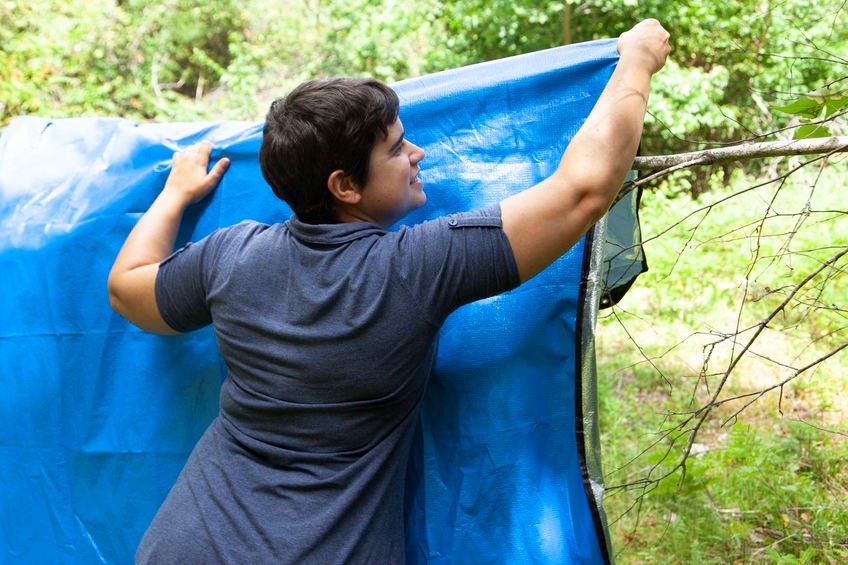
With heavy-duty tarps for boats from Canopies and Tarps, you can keep your watercraft seaworthy season after season. Learn how to cover a boat with a tarp for inexpensive, reliable protection from the elements.
You already know how expensive boats can get. Even a simple watercraft such as a canoe or kayak can carry surprising extra costs. Maybe you have a bigger boat that requires storage on a trailer. Or maybe you have an even bigger boat that requires docking.
In all those cases, it's important to protect your boat for handling the elements when it's not in use, and the best way to do that is with a waterproof boat cover. While it's possible to get custom tarps for boats, they will set you back more than a few dollars, and that extra cost may not be worth it - we've seen a lot of boat tarp options and universal boat covers that sacrifice quality for appearance.
One of the best ways to tarp a boat is with a heavy-duty, waterproof tarp. If you're covering a boat for winter or any other period of prolonged non-use, then you'll want to make sure the boat's components are protected from prolonged exposure to the weather, whether it's extreme heat, rain or snow.
At Canopies and Tarps, we have plenty of heavy-duty tarps of all sizes and colors. This is how to cover a boat with a tarp.
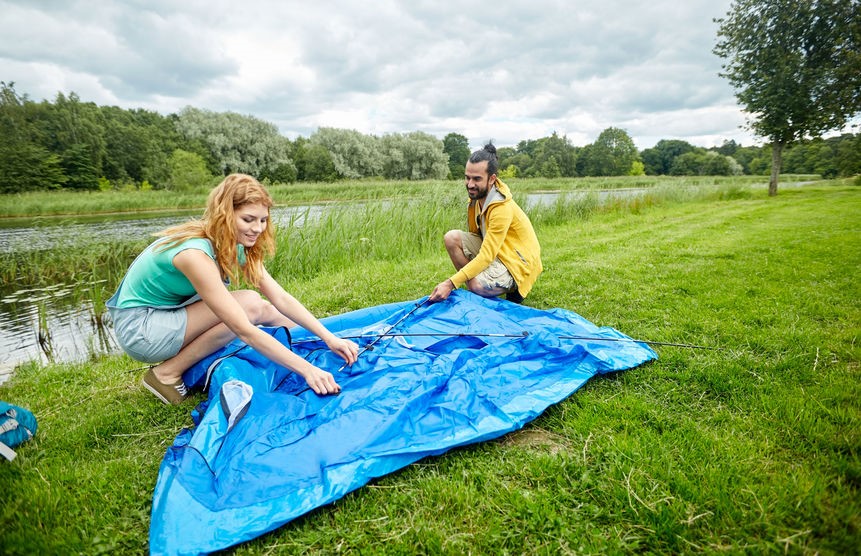
Measure Twice, Order Once
Think in three dimensions when you take your measurements. A straight across measurement may not give you enough slack for proper securing. Take into account any protrusions, whether it's a canopy, windshield or outboard engine. Once you have that, add an extra foot to your estimate. As for color, most boat owners go with a shade of blue, but we'd recommend any color that's not black or very dark. You want to reflect sunlight, not absorb it.
Prepare to Pad
Back to those protrusions - are they sharp? If so, they may puncture the tarp once tension is applied. Make sure you can pad anything that has the potential to poke through. Use old T-shirts, towels, carpet remnants or rags, and fasten them with duct tape. Supports for boat covers are helpful, here.
Strap on the Tarp
Stretch it out and lash it down tight enough to resist wind. There are several ways to do this and most of them take advantage of the regularly spaced grommets you'll find on our waterproof tarps. Here's two methods to consider:
- If your boat stays on the water, prepare several gallon-size milk jugs by filling them with sand and attaching a rope to the handle. On the other end of the rope, attach a hook or thread it through the grommet. The more anchors, the better. If you need to get into the boat while it's stored, remove a couple of the anchors and slip underneath. (This method also works above ground.)
- If you are keeping it on a trailer, use bungee cords long enough to stretch underneath the boat and on the opposite side.
Check for Pooling Possibilities
Once you're finished, look for places that might sag, and ensure that water can drain off the sides of the boat instead of collecting on the tarp. A large pool of collected water can cause stretching and tearing.
Let the Air In
The last thing to consider is a bit of ventilation at the sides. While you want a tight fit, you don't want it airtight, because that will lead to damaging mildew. Examine the sides and find a place to prop open small openings that aren't subject to allowing rain in.
We've been helping people find a perfect DIY boat cover at Canopies and Tarps for decades. We offer a large selection of high-quality tarps that are built to last season after season. Contact us the next time you need boat tarps for winter storage.
FAQs
What size tarp do I need to cover my boat?
To find the right tarp size, measure your boat's length and add 2–4 feet on each side to allow for drape and tie-down overlap. You'll also want to account for the height of any towers, T-tops, or windshields so the tarp doesn't pull tight and trap moisture. If you're also storing your boat under a more permanent structure, a metal carport or heavy-duty steel vehicle shelter can provide extra year-round protection alongside your tarp cover.
Which type of tarp material is best for covering a boat?
Polyethylene tarps are a popular and affordable choice for boat covers because they're waterproof, UV-resistant, and durable enough for seasonal storage. For longer-term outdoor exposure, a heavy-duty poly tarp with reinforced grommets will hold up better against wind, rain, and sun damage. Make sure whichever tarp you choose has adequate UV protection, since prolonged sun exposure can fade gelcoat and deteriorate interior materials over time.
How do I keep a tarp from blowing off my boat?
The most effective method is to run a rope or bungee cord through the grommets along the tarp's perimeter and cinch it snugly underneath the hull or around the trailer frame. You can also use bow and stern lines crossed under the boat to create a tent-like shape that sheds water and resists wind lift. Avoid letting large sections of loose tarp flap in the wind, as repeated chafing can damage your boat's finish over time.
Can I use a regular tarp instead of a fitted boat cover?
Yes, a standard poly tarp works well for many boaters, especially for off-season storage or unexpected weather protection, and it's typically much more affordable than a custom-fitted cover. The key is choosing a tarp large enough to provide full coverage with enough extra material to secure it tightly so it doesn't shift or pool water. If you use tarps to protect other outdoor gear as well, you might also find our firewood covers useful for keeping stored wood dry nearby your boat storage area.
How do I prevent mold and mildew under my boat tarp?
Ventilation is the most important factor — never wrap a tarp completely airtight around your boat, as trapped humidity creates the perfect environment for mold and mildew to grow. Use foam blocks, PVC pipe, or a purpose-built tarp support system to create an air gap and a peaked shape so water runs off rather than pooling. Before covering your boat, clean and dry all surfaces thoroughly, and consider leaving a small gap near the stern for airflow while still keeping rain out.